United is the first U.S. airline to restrict unauthorized third-party AI agents, and the first risk it named was customers handing those agents their account credentials. Delta has taken the opposite route and lets authenticated assistants book. Any business with customer logins now has to pick a side.
Key Takeaways
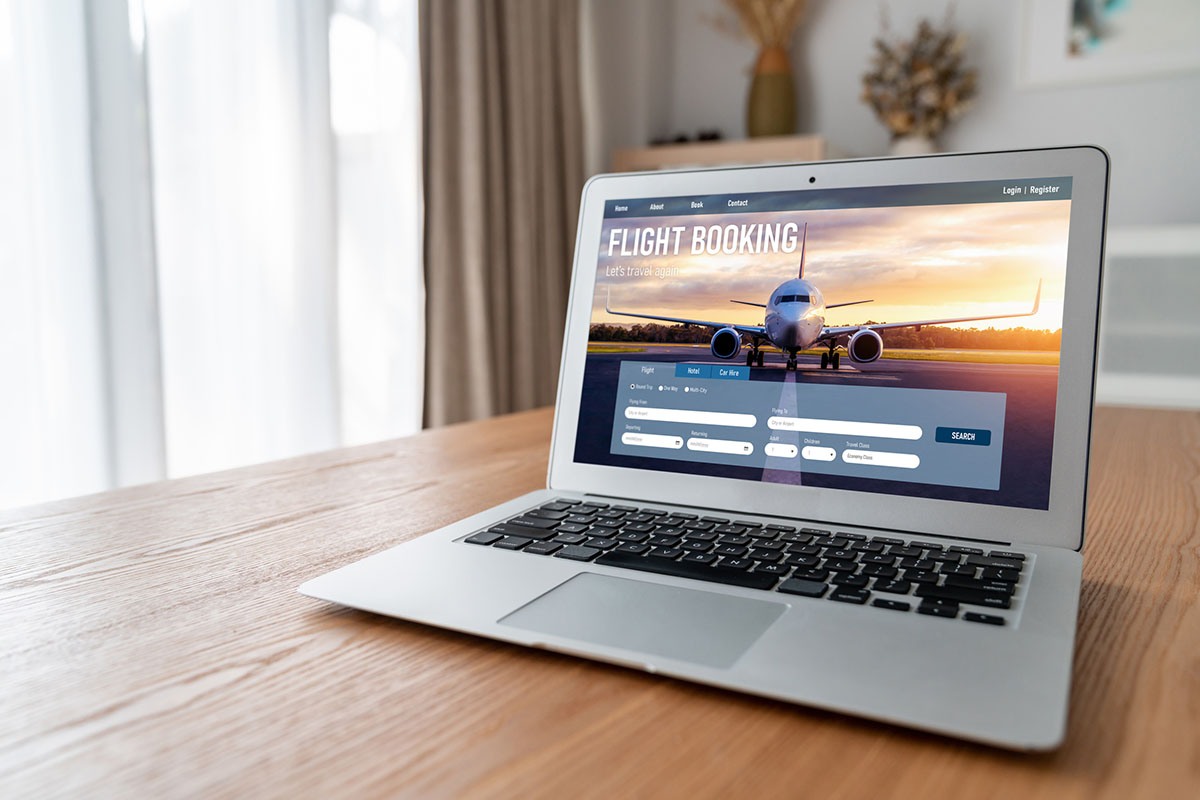
Consumer AI agents can now search for a flight, compare fares and, if you give them your login, buy the ticket. This week United Airlines said it will stop letting them do the last part. The announcement reads like an airline story, but the reasoning is an identity story, and it lands on a question every organisation with customer accounts will soon have to answer: when software acts on a customer's behalf, does it sign in as the customer, or as itself?
According to Skift, United said on November 11 that it is restricting access directly within its digital platforms and indirectly via travel agencies and aggregators, with the aim of prohibiting use by unauthorized, third-party personal AI agents or assistants. It is the first U.S. airline to say so explicitly. United said it will keep evaluating the policy as personal assistants evolve and will update its Digital Trust Center to explain the restrictions.
The ban is narrower than the headlines suggest. Thrifty Traveler reports that AI agents can still search United flights and fares but cannot complete purchases, and that United says it is not currently seeing many agent bookings. Air Data News, citing Travel Weekly, says reservations completed by third-party AI tools before November 11 will be honoured, that United has no agreement authorizing any agent to book, and that it has not ruled out authorizing certain platforms later. No implementation timetable or enforcement mechanism has been published.
There is a commercial motive alongside the security one, and nobody is hiding it. Speaking in Chicago the day before the announcement, chief executive Scott Kirby said, "I don't want to create another middleman." Henry Harteveldt of Atmosphere Research Group told CBS News that the policy suggests United wants to keep control of the booking process, and noted that bot searches cost airlines money. United fares remain bookable through Kayak, Hopper and Google Flights.
Strip out the distribution politics and United's stated reasons are worth an IT leader's attention. In its own words, quoted by AirlineGeeks, "Sharing account credentials with personal, third-party AI assistants can expose sensitive information," and agent actions "may result in unintended purchases, account changes, or use of MileagePlus miles." The airline also flagged a compliance problem: automating check-in could skip the step where a passenger personally confirms their bags hold no banned items such as explosives, which United says could create FAA and DOT issues.
Each of those risks follows from the same design flaw. When an agent signs in with the customer's own password, the business cannot tell the agent from the person. Every action carries the customer's full authority, there is no narrower scope for "search but do not redeem miles," and any attestation the regulator expects a human to make is made by software in the human's name. United says its stance is in line with companies in the banking and retail sectors.
The session the agent receives is the bigger exposure. A Cloud Security Alliance research note on Okta's analysis of a 7 GB infostealer dump, drawn from 5,871 infected machines in 162 countries, found 561 Anthropic session tokens, 164 still unexpired, and 1,843 unexpired JWT and JWE objects across all services. The CSA's point is simple: MFA protects the login event, not the session that follows, and a replayed token needs no password or second factor. An agent holding a customer's long-lived session is one more place for that token to be stolen from.
Delta shows the alternative. It has indicated that properly authenticated AI assistants can complete bookings, with additional safeguards for sensitive transactions, and Thrifty Traveler cites trips for unaccompanied minors as an example. Southwest has gone further toward openness with a ChatGPT integration for flight search. The difference between the approaches is not whether agents are allowed. It is whether the agent arrives with its own identity and a defined scope, or borrows the customer's and inherits everything.
For most enterprises the question will arrive from both directions at once: customers pointing agents at your portals, and employees pointing agents at the SaaS tools you run. The same principles apply to both.
United may well loosen its stance once it can authorize specific platforms on its own terms. Until then its announcement is a useful prompt: if the only way an agent can act for your customers is by pretending to be them, the problem to fix is the login, not the agent.

Infographic
A login page that cannot tell a customer's agent from the customer cannot tell it from a fraud bot either. Arkose Labs finds AI bots now behind 40% of attacks, with account takeover and credential stuffing at the top of the threat list.
Download
eBook
An agent holding a customer's session is one more browser token to steal, the route this ebook shows skipping the MFA prompt entirely. It covers the session hijacking and misconfigurations behind the more than 78% of incidents Huntress ties to identity.
Download

Whitepaper
Delta's answer to agent bookings is step-up safeguards on sensitive transactions rather than a blanket ban. This whitepaper explains how device, location and behaviour signals decide when a request needs that extra check.
Download
Microsoft's October release fixed a record 1,411 flaws as AI-assisted discovery outpaced the teams that deploy the fixes.

PwC found 84% of leaders expect cyber budgets to rise, yet half feel least prepared for attacks on AI systems.

Cisco found only one in five organizations can deploy a new control within six months of budget approval.
